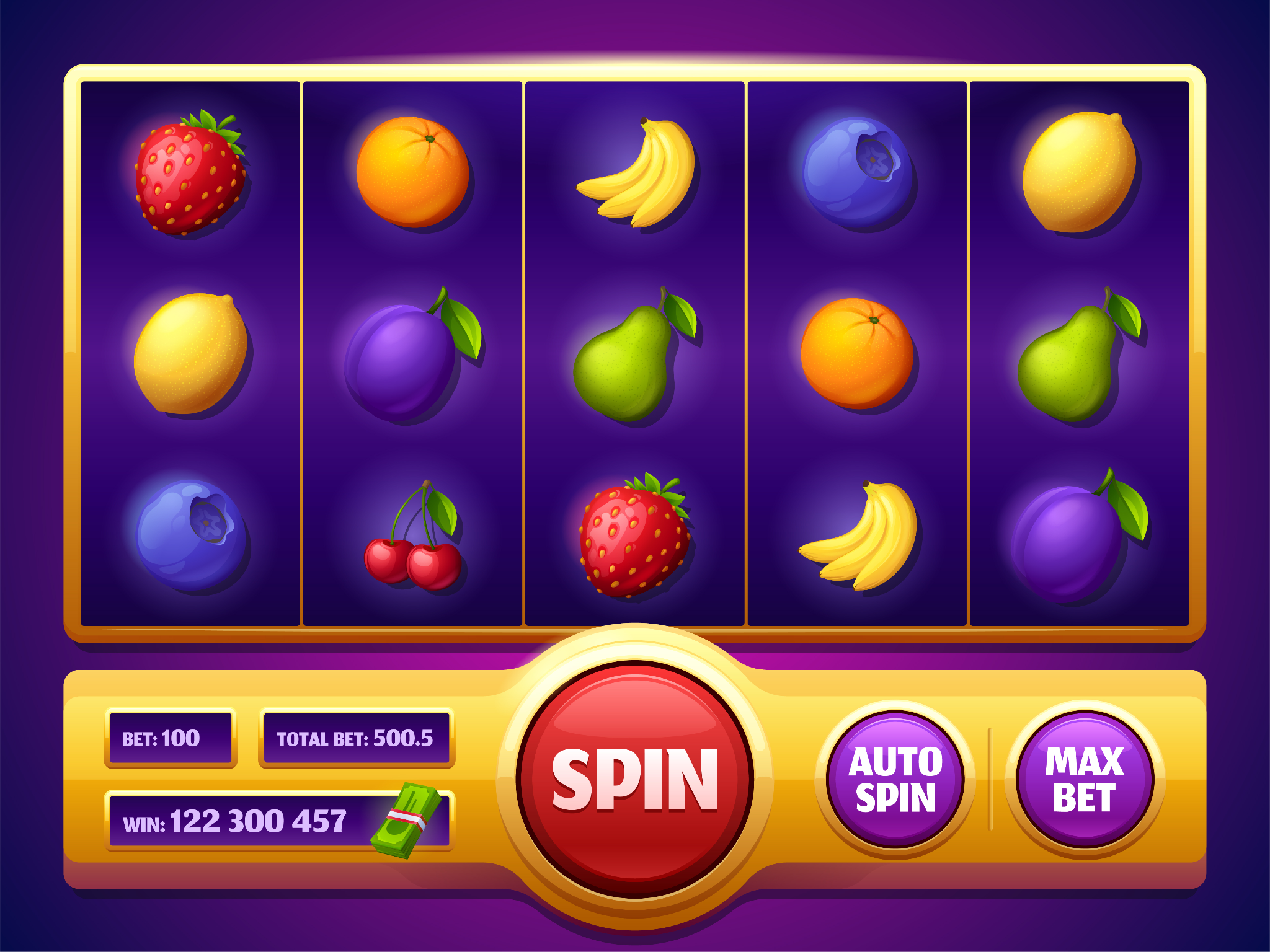
You’re standing in front of what is, effectively, a wall of options. Hundreds of slot games, maybe more, thumbnails lined up in neat rows like a digital candy store where everything is bright and nothing is obviously wrong. You have no real information about most of them. You’ve played maybe a dozen before. And yet – within about four seconds – you’ve already moved your cursor toward one specific game, and you have no idea why. That gap between the choice and the reasoning behind it is one of the more fascinating corners of behavioral psychology, and it plays out millions of times a day across online gaming platforms.
Game designers have known about this phenomenon for years. The visual hierarchy of a slot thumbnail, the color palette, the character silhouetted against a dramatic background – none of it is accidental. Platforms that pay close attention to this behavioral layer tend to surface it in how they organize and present their libraries. UX reviewers covering how platforms organize their game libraries have pointed to the browsing experience offered by x3bet online casino as an example of thoughtful curation – where games are displayed and grouped in a way that feels navigable rather than overwhelming. That attention to the choice environment is itself a product decision, and it reflects a real understanding of how people actually make decisions – which is rarely as deliberate as we’d like to believe.
The four-second window
Research in consumer psychology has repeatedly shown that the window for a snap judgment about a visual product – packaging, a movie poster, a game thumbnail – is somewhere between two and five seconds. In that window, the brain is not analyzing. It’s pattern-matching against a library of associations built up over years of visual experience. Warm colors read as exciting. Dark, moody palettes read as mysterious or high-stakes. Characters with weapons or obvious wealth signal a certain type of gameplay fantasy. Faces – even stylized ones – draw the eye faster than any other visual element.
What your brain is actually doing
When someone picks a slot game in seconds, they’re running a mental shortcut called a heuristic – a fast-track decision rule the brain uses to avoid the exhausting process of deliberate analysis. Several specific heuristics tend to dominate in this context.
Familiarity bias. If a thumbnail reminds you, even vaguely, of something you’ve enjoyed before – a similar art style, a theme you’ve played in another format, a character type you recognize – it triggers a preference before conscious reasoning kicks in. You’re not choosing a new thing. You’re choosing something that feels like a known quantity.
Affect heuristic. The emotional response to an image precedes any logical assessment of it. A slot thumbnail that generates a faint positive emotional signal – nostalgia, excitement, curiosity, humor – gets an immediate advantage over one that generates neutrality. This is why humor and warmth in game art tend to outperform purely impressive visuals in certain markets.
Social proof proxies. Badges that read “popular,” “trending,” or “player favorite” function as social proof even when users know intellectually that those labels are curated. The instinct to follow group behavior is deep enough that it persists even with skepticism.
| Visual cue | Psychological trigger | Typical player response |
| Warm red and gold palette | Excitement, reward anticipation | High initial click rate |
| Dark tones with neon accents | Mystery, high-stakes framing | Appeals to experienced players |
| Cartoon or humor-based art | Safety, low-stakes fun | Broadens audience, reduces hesitation |
| Human or animal faces | Immediate attention capture | Strongest eye-tracking response |
| “New” or “Hot” badge | Social proof, FOMO | Consistent uplift regardless of content |
Why the layout matters as much as the art
The choice of which game to play is shaped not just by how the games look but by where they sit in the visual field. Eye-tracking studies consistently show that items in the upper-left quadrant of a grid get disproportionate attention – this is where Western readers naturally begin scanning. Items featured in larger thumbnails are perceived, without any other information, as more popular and more worth trying. The physical organization of a game library is itself a recommendation engine, one that operates below the level of conscious awareness.
This is why the curation decisions platforms make about their game libraries – which games appear first, which get featured slots, how categories are labeled and ordered – function as silent persuasion. Most players experience this as having found what they were looking for. What actually happened is more complicated.
The game you almost chose
Here’s something worth sitting with: the game you didn’t pick was probably fine. Maybe excellent. The decision you made in four seconds was based on a cascade of visual associations, emotional primes, and heuristic shortcuts – not on any meaningful information about gameplay quality, variance, or entertainment value. You chose a feeling, not a game. That’s not a criticism. It’s just how human decision-making works in environments of genuine abundance. When there are too many options and too little time, the brain defaults to speed over accuracy, and it turns out to be pretty good at generating satisfaction even from semi-random choices. The real trick is knowing that the choice was never as deliberate as it felt.