
A Philosophy of Design
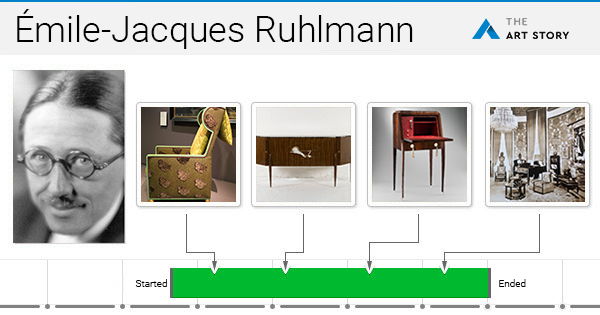
Émile-Jacques Ruhlmann’s approach to design represents a perfect blend of artistry, craftsmanship, and innovation. At the heart of his work was a philosophy that furniture and interiors should be more than functional—they should inspire, elevate, and reflect a refined aesthetic sensibility. Understanding the https://ruhlmann.info/ approach means appreciating how he balanced luxury, practicality, and visual harmony to create timeless designs that continue to influence the world of design today.Ruhlmann’s method was meticulous and intentional. Every piece he produced was a careful study in proportion, balance, and material selection. His designs demonstrate that true elegance arises not from ornamentation alone, but from thoughtful, cohesive execution.
The Importance of Materials
A defining feature of the Ruhlmann approach is his masterful use of materials. He favored rare woods, exotic veneers, lacquer, ivory, and polished metals, selecting each element for its intrinsic beauty and compatibility with the overall design.
Ruhlmann understood that materials are not passive components; they contribute to the character, feel, and visual impact of a piece. His approach emphasized respecting the natural qualities of each material while using innovative techniques to enhance its beauty. This focus on materiality remains a cornerstone of contemporary design practice.
Precision and Craftsmanship
Craftsmanship was central to Ruhlmann’s approach. Each creation was executed with meticulous care, often taking months of skilled labor to complete. Cabinetmakers, metalworkers, and upholsterers collaborated closely under his guidance to ensure that every detail met his high standards.
This dedication to craftsmanship was not merely about perfection—it was an expression of respect for the work, the materials, and the client. The Ruhlmann approach teaches that precision and skill elevate design from ordinary to extraordinary, ensuring longevity and cultural significance.
Balancing Form and Function
Ruhlmann’s approach is distinguished by the harmony between form and function. While his pieces were visually striking, they were also designed for comfort, usability, and practicality. Chairs, tables, and cabinets were proportioned to the human scale, demonstrating that functionality should never be compromised in pursuit of beauty.
This balance remains one of the most enduring lessons of the Ruhlmann approach: design should delight the eye while serving the needs of everyday life. It is a principle that continues to guide modern furniture and interior design.
Innovation Within Tradition
Innovation was a hallmark of Ruhlmann’s work, but it was never pursued at the expense of tradition. He experimented with new veneers, lacquer techniques, and inlays, blending cutting-edge methods with classical craftsmanship.
This careful combination of innovation and respect for tradition allowed Ruhlmann to produce designs that were modern yet timeless. His approach demonstrates that progress in design is most powerful when it builds on a foundation of proven principles rather than discarding them entirely.
The Art Deco Connection
Ruhlmann is synonymous with the Art Deco movement, and his approach played a key role in defining its aesthetic. He embraced geometric forms, clean lines, and subtle ornamentation, creating furniture that was luxurious without being ostentatious.
The Ruhlmann approach to Art Deco design emphasized sophistication and refinement, establishing a standard for elegance that continues to resonate in contemporary design. His work serves as a model for how style can be both modern and enduring.
Lessons for Modern Designers
Understanding the Ruhlmann approach offers valuable insights for today’s designers:
- Thoughtful material selection: Materials should enhance both function and beauty.
- Meticulous craftsmanship: Precision and attention to detail elevate design.
- Harmony of form and function: A design must serve its purpose while delighting aesthetically.
- Innovation grounded in tradition: Progress works best when built on a strong foundation.
- Timeless elegance: Restraint, proportion, and balance create enduring appeal.
These principles provide a blueprint for creating work that is not only stylish but also meaningful and enduring.
Conclusion
The Ruhlmann approach represents a holistic vision of design—one where artistry, craftsmanship, innovation, and functionality intersect. Émile-Jacques Ruhlmann’s methods remind us that every detail matters, from the choice of materials to the proportions of a chair, the finish of a table, or the ergonomics of a cabinet.
By understanding his approach, designers, collectors, and enthusiasts gain insight into why Ruhlmann’s work remains timeless. His philosophy teaches that true design is not only about creating objects but about creating experiences that endure, inspire, and elevate the everyday.
Exploring the Ruhlmann approach is more than a study of Art Deco—it is a lesson in how dedication, vision, and thoughtful execution can transform ordinary objects into enduring masterpieces.